21st-century sport has always spoken to the heart before it speaks to the head. Singing the national anthem in unison at a major tournament and celebrating with people you may have never met will always draw out the heart’s emotion without using the mind to think rationally.
In an age where power is being measured as much in admiration as it is in armies, governments worldwide have seemingly found the fast track into winning the world’s admiration through channelling their images to the audiences of these major sporting events. In the current day, these events are no longer about winning medals or setting world records; they’re used as an avenue for countries to be seen and heard on the global stage.
When Qatar was awarded the FIFA 2022 World Cup, they had their sights set on more than just hosting a major sporting event. The spectacle, the fireworks, a stadium made to be dismantled, all rooted in gaining a connection with a global audience. Other examples, such as the Olympic opening ceremonies in Beijing and London, are each examples of nations trying to brand themselves, not through speeches or slogans, but through the feeling of a global audience.
This is soft power through sport; it’s an influence that finds the beat of a human heart, to convey political messages or construct an image.
Behind the sparkling spectacle lies deep queries into the ethical nature of these events, with shocking truths behind the construction of many of these events. Whether this be through appalling human rights violations leading to deaths in the construction, or demolishing whole residential neighbourhoods to leave thousands displaced and risking homelessness.
Do the Beneficial effects of hosting a 21st-century sporting event really outweigh the rights of an individual? If so, how does this create a positive brand for those who choose to take such actions?
Soft Power: What Actually Is It?
In order to fully understand the concept, it is important to know what soft power is. The concept was created in the 1980’s by a political scientist named Joseph Nye. In Nye’s words, “soft power is the ability to affect others to obtain the outcomes one wants through the use of attraction and persuasion rather than coercion or payment.”
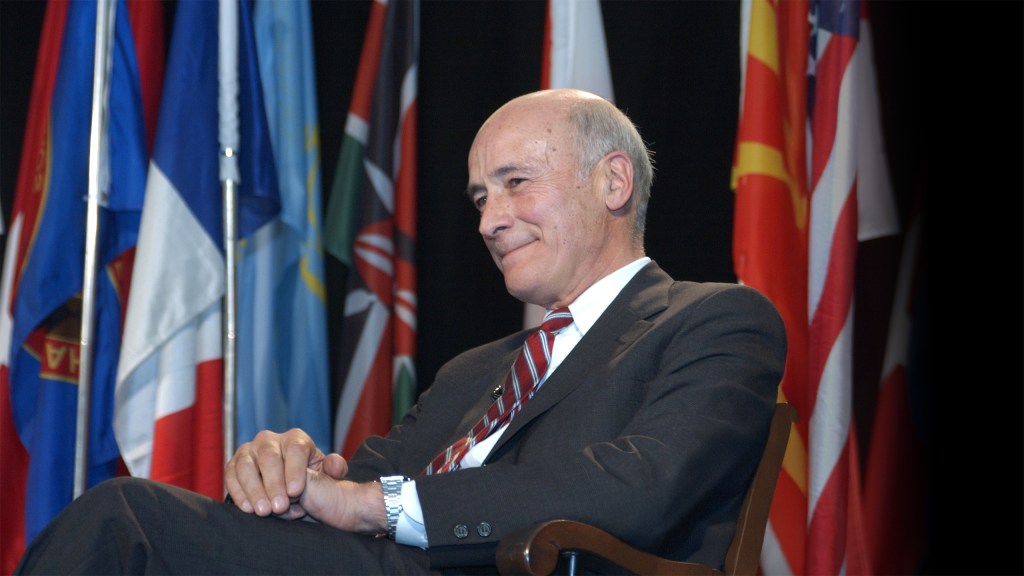
In addition to this, Nye states that “a country’s soft power rests on its resources of culture, values, and policies.” In essence, Joseph Nye’s soft power theory is most effective on countries that are upheld in the highest light when it comes to factors such as their cultural influence and political values.
Although Joseph Nye’s idea has been around since the 1980’s, soft power had been used in some key historical moments before this time. One of the most prolific cases of soft power came just before World War 2, when Adolf Hitler’s Germany hosted the 1936 Olympic Games.
This was a true show of force from Hitler, who was able to showcase the loyalty and values of his Nazi Germany through thousands upon thousands of loyal supporters chanting and singing for their dictator.
The magical aspect about soft power is the fact that this form of political propaganda is not a direct action, compared to the other side, which is hard power.
In comparison, hard power is quite the opposite approach to soft power, requiring a hands on approach which is usually seen by the deployment of military personnel or economic sanctions on the territory a state is looking to influence.
The use of hard power can often come with severe backlash and have catastrophic consequences on aspects of a government, such as their economy. With this in mind, there’s no wonder that soft power is a strategic tool used by these states to gain the influence they desire, whilst not destroying their image in the process.
This use of soft power can link tightly into how a country creates a brand for themself, using key parts of their culture and values to shape how the rest of the world views them.
This ties in with the idea of nation branding, which generally refers to a country’s strategy to convey a particular image of itself beyond its borders in order to achieve certain beneficial goals. When you look on a broader perspective, the ideologies of these two political strategies make it almost impossible to use one without the other.
As briefly mentioned earlier, mega sporting events are an ideal opportunity to brand a nation for either good or bad, depending on how they deal with the ethical issues around hosting. As per what Brannagan & Grix quoted in 2016, hosting mega sporting events can be seen as “staged performances of nationhood.”
This can be seen by our first case study, as we head to the middle east to explore how they’ve sportswashed their way onto the map.
The Gulf States: Image, Power, and Sportswashing
It is no secret that in the 21st century, middle eastern countries such as Qatar, Saudi Arabia, and the UAE are all trying to expand their incomes away from the extraction of oil from their desserts. What better way to do this than to plough money into the sports industry to convey your territory as a sporting powerhouse?
In Qatar, during the 2022 World Cup, their attempt of nation branding through the use of soft power was through showing mass investment into the event. The idea from the Qatar government was to not only show huge financial strength by being able to invest billions into new stadium infrastructure, but also to show modernity and inclusivity in a state that was not renowned for those qualities.
In their attempt to show global inclusivity, Qatar managed to damage its reputation to some extent through the use of this soft power. During the construction of the World Cup infrastructure, many called for action to be taken after serious human rights issues led to a number of deaths.
Whilst Qatar only ever acknowledged 37 deaths of workers who were working on the stadiums, the actual death toll is believed to be much higher, as they shipped in migrant workers to act as their slaves to build the stadiums.
Not only this, but due to concerns for LGBTQ fans when attending the event, it caused one of the most bizarre press conference moments of the 21st century. Due to concerns from travelling fans, FIFA’s president Gianni Infantino was forced to step in and was quoted saying that “today I feel disabled” and “today I feel gay” alongside other variations of this speech.
When a country has the FIFA president scrambling in the way he was, it is clear to see that their nation branding is failing. Instead, Qatar managed to paint itself as a homophobic state that has a lack of regard for workers’ rights, the complete opposite of what they were intending to do.
With the amount of money thrown at the event in the first place, the Qatar World Cup was an obvious sign of sportswashing, an act where a sporting event is used by an individual or government to promote or boost their reputation, usually amid controversy or scandal.
Qatar is not the only middle eastern country that may be guilty of sportswashing; in fact, their actions are only relatively minor in comparison to their next-door neighbour, Saudi Arabia.
As part of the Saudi Arabian 2030 plan to move their main income away from the oil industry, it seems as though they have decided to use soft power by influencing sporting events to arrive on their doorstep.
As part of this nation’s rebranding, they decided to invest a lot of their oil money to buy into major sporting organisations and clubs. In the last five years, the Saudi Arabia Public Investment Fund (PIF) have heavily spent on getting a foothold in sports. PIF is responsible for the formation of LIV Golf, an organisation that hosts golf tours alongside the PGA.
In addition, the PIF took over one of the most historic clubs in the English football system, Newcastle United. After a long dispute with former owner Mike Ashley, the Saudi’s took their opportunity to swoop in and add the football club to their ever increasing assortment of infinity stones.

This method of using the money they have made from oil sales to attract the best clubs and players in sports has caused backlash from those in the industry who believe enough is enough.
One of those is former Liverpool FC player Jamie Carragher, who publicly went on Twitter to call on the Premier League and UEFA to put an end to sportswashing
Through looking at this attempt to use sport as a means for soft power, it is clear to see that these states have brought backlash against themselves for unethical conduct in the attempted takeover of mainstream sports.
As much as it would have increased visibility, the images created from such unethical conduct are arguably more damaging to the state than if it had decided to invest ethically and rationally, instead of trying to win an unwinnable game of Monopoly.
China: Using Soft Power To Build Prestige
From two states that are trying to build prestige, to one of the most powerful country’s in the world trying to maintain a legacy, China’s use of soft power within sports is about control on a global scale.
The hosting of the 2008 Beijing Olympics was a real stepping stone for China, as they were transitioning from being a world developing country to one of the world’s leading country’s.
These Olympics were a beautifully choregraphed move of soft power from the Chinese government as they looked to influence the world with their cultural market. Throughout the duration of the event, the Chinese pushed their own culture, such as their art, music, and philosophy.
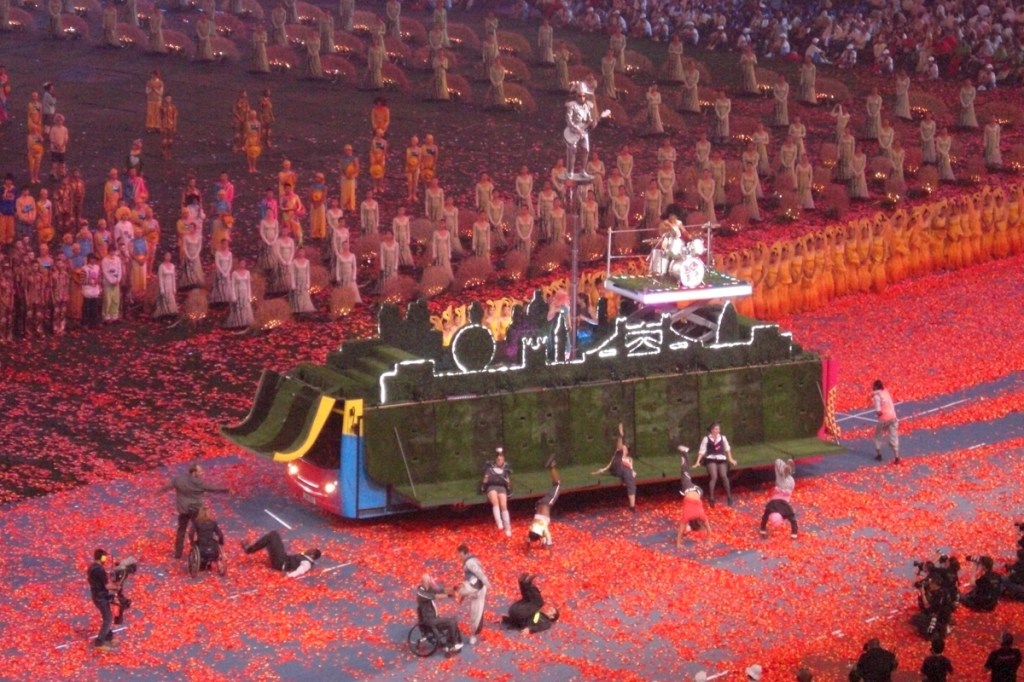
The use of soft power here inevitably boosted China’s culture capital, allowing the country to build the framework to situate itself as not just an economic power but a cultural one too.
This came at a time when the West was skeptical of China’s intentions, as they saw the uprising of the state as a threat to global security. This mega sporting event was a key strategical move of soft power by the state to paint themselves as a capable, but non hostile party when it comes to global security.
When the Winter Olympics came to Beijing in 2022, it allowed the Chinese an opportunity to use soft power to their advantage once again. Like the spoiled kid in the school playground, China managed to reassert its strength over the West.
During these winter games, China came under scrutiny during the time they were trying to reassert their power, after it emerged that they had been wrongfully detaining ethnic minorities in the Xinjiang region.
China’s national branding, as one of the most powerful states in global politics, communicates competence and ambition, but most importantly, allows affection towards its propaganda.
The use of Chinese culture is a key strategic battle when using soft power, as Nye argues that soft power must generate attraction and not just awe. It is clear to see the influence that Chinese food, fashion, and art has had on the global audience and shows how the 2008 Beijing Olympics were a soft power success for China.
Pushback Against Soft Power In The 21st Century
Soft Power and nation branding have seemingly been the playground antics in politics for many decades now, but as the old dog keeps using old tricks, there may be a resistance against using sports as a soft power.
As sporting organisations and governments try to assert their dominance overseas, they have been looking to move multiple games a season from domestic football leagues over into high demand countries such as America and Australia. This has caused huge backlash from homegrown supporters of these domestic leagues, as the organisers attempt to maximise profits and global power.
It’s not just fans that are angry. The athletes, too, are fuming over the fact that they’ll be potentially forced to travel thousands of miles away, for a game that would usually be played within a couple of hours of their home.
As a result, footballers in La Liga staged a protest in which they stood still for the opening fifteen seconds of the match in protest of the organisers attempting to move their fixtures abroad.

The interesting factor in this case is that La Liga actually asked broadcasters not to show this protest against them, in hopes of muting the frustration of the athletes. It is from this that you can draw on how hard it is for organisations and governments, such as La Liga, to control the image that the public see.
With technological advances, it has become increasingly difficult for soft power strategies to pull the wool over prying eyes, as audiences can voice their opinions on the strategies used by governments.
It begs the question: are the benefits of using soft power strategies diminishing?
As the audience start to see the propaganda behind hosting sporting events, the sporting spectacles start to become sporting scandals, when states such as Saudi Arabia attempt to sportswash their way to the top of the political landscape.
Has Elite Sport Learnt Anything?
Whilst global sports will always have a powerful outreach due to its millions of spectators each year, soft power will always continue to be present around sports. Sports still is a powerful stage for nation branding through the use of soft power. However, audiences are becoming more skeptical than ever towards the ideologies of soft power as countries struggle to control the image that audiences view of them.
Soft power can still be successful in the modern day, but requires more than just performance to influence. Factors such as authenticity, shared values, and transparency are all key for the success of soft power, as the world seeks to find trustworthy sources in the vast wasteland of media available.
In 2025, it seems as though global politics hasn’t quite grasped the key factor in winning over hearts and minds. Instead of national propaganda, the true winners of hearts and minds are those who align sport with genuine human connection.
To answer the question at hand, no, elite sports haven’t learned a thing around the use of its platform to use soft power; in fact, these organisations are launching soft power strategies of their own.
In the words of Simon Kuper in 1994, “sport is never just sport. It always tells us something about the time and the place in which it is played…”
By Liam Mckenna-May
 The Sporting Element
Leave a comment